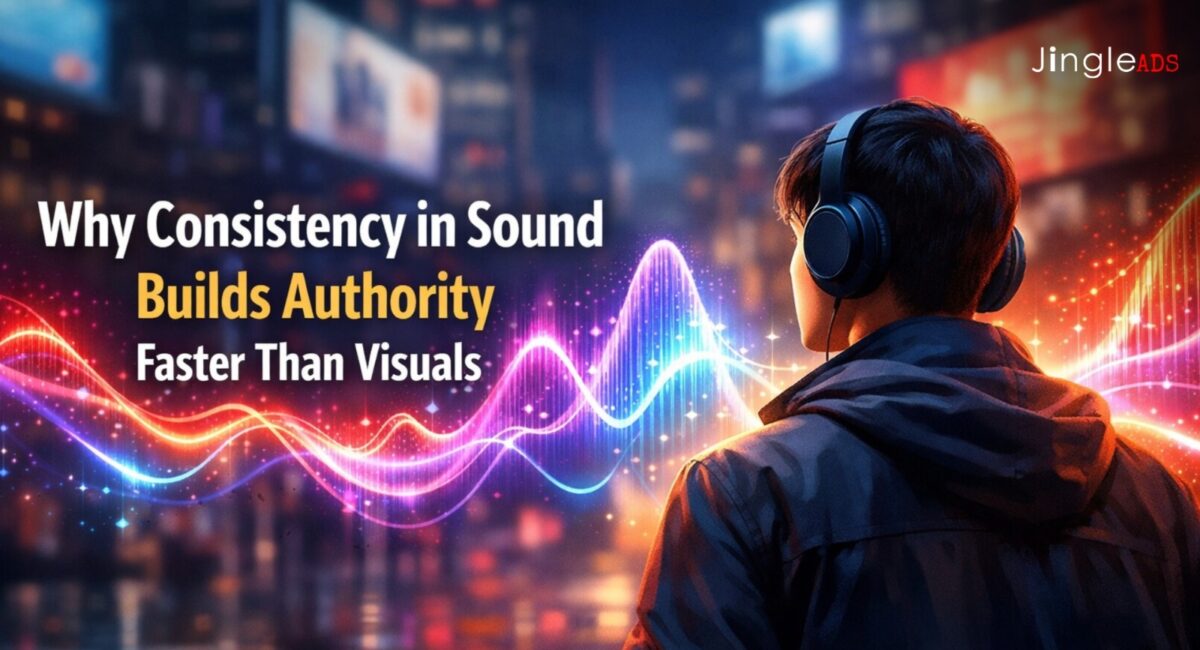
Brands put in so many hours nailing their logos, colors, and visual identities. But one of the strongest branding tools often flies under the radar: sound. Sound does matter, but as visual identity is built around a certain reference point audio branding allows the building of trust and authority in surprisingly fast time.
Sound Creates Instant Recognition
Imagine the last time you heard a brand that you already know. Maybe an upbeat startup tone from a device or, even, the clipped jingle of an advertisement. You probably knew the brand before you even saw its logo.
And that’s sound in all its unique power. The human brain consumes sound faster than sight. A brand can become easily identifiable when it repeatedly employs the same sonic identity — a signature jingle, intro music or audio logo.
And this is where Ooka Radio, among other platforms, really steps up. Therefore, businesses must give extra attention to their audio branding strategy which helps them stands out from others and is retained in memory for the customers even when they are not looking at a screen.
Sound Builds Emotional Connection
Visual branding requires logic and recognition to establish the proper characteristics for a brand, while sound speaks directly to emotion. Music, tone and rhythm can convey moods that images alone often have a hard time encasing.
And think about a cafe with a warm, acoustic soundtrack or a tech company that hopeful of futuristic electronic sounds in its marketing. Those audio selections indirectly convey personality and brand values.
In the world of brand campaigns, it is often noted that people remember how something sounds more than its appearance. A uniform sonic motif can foster a feeling of closeness between audience and brand, even if they have only sampled it in small doses.
That emotional inclination is what slowly transmutes recognition into authority.
Repetition Strengthens Brand Authority
Authority doesn’t appear overnight. It grows through consistent exposure. This is something most brands get intuitively on the visual level — having the same colors, typography and logos across platforms.
But the same is true for sound.
It helps to enhance the credibility when a brand utilizes identical audio signature on various platforms like podcasts, radio ads, videos and social media content. Gradually, the audience links that sound with reliability and competence.
This is why radio advertising and audio branding remain among the most powerful tools of communication available. If services like Ooka Radio have provided consistency, businesses rap about sound which is why they have a common look that runs through the same campaign and over multiple platforms.
Sound Gets to People Where Visuals Can’t
Another thing that audio branding has going for it is accessibility. Your brand can be listened to while people drive, exercise, cook or travel. Visual branding requires a screen to pay attention, while sound can follow audiences through entire days.
It means more touchpoints and even more chances to reinforce brand authority.
This is particularly relevant in the age of podcasts and streaming audio, including digital radio. Brands building an audible signature today are ahead of competitors still focused on visuals..
Why more attention should be given to audio branding
Visual design will forever be crucial. But the brands that really break away from their competition are those who have visuals paired with a tone of voice strategy and stick to it.
A memorable sonic identity doesn’t just make marketing more engaging — it makes brands more recognizable, more trustworthy and ultimately harder to ignore.
For brands seeking smarter branding solutions, partnering with audio experts like Ooka Radio is a way to establish a more reliable auditory identity audiences can associate with. And in an oversaturated market, that kind of exposure can make a difference.